







The Avive Solution for Public Safety

Connected 
AED management for stronger systems of care.

See how public safety leaders are rethinking cardiac arrest response:

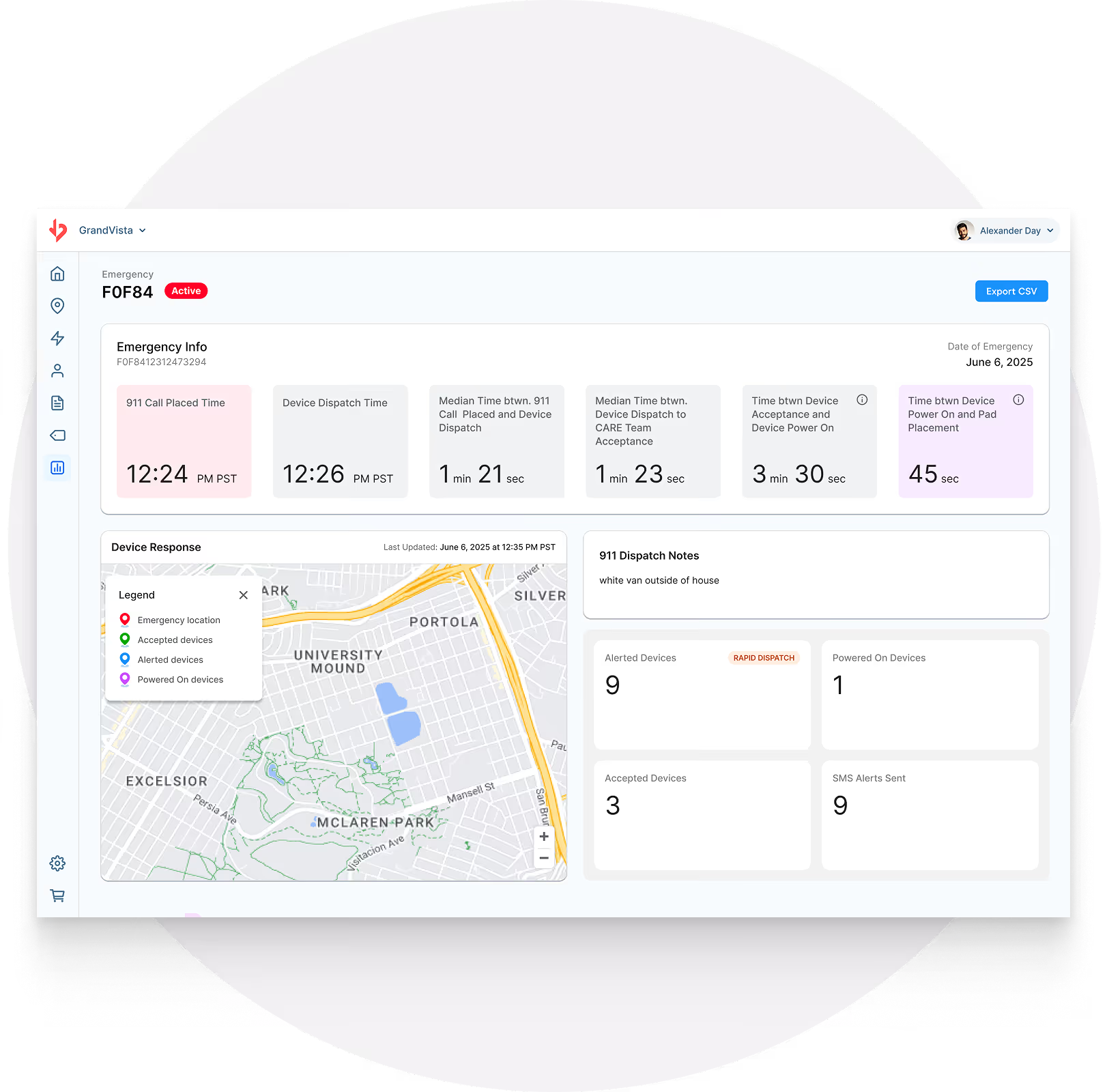
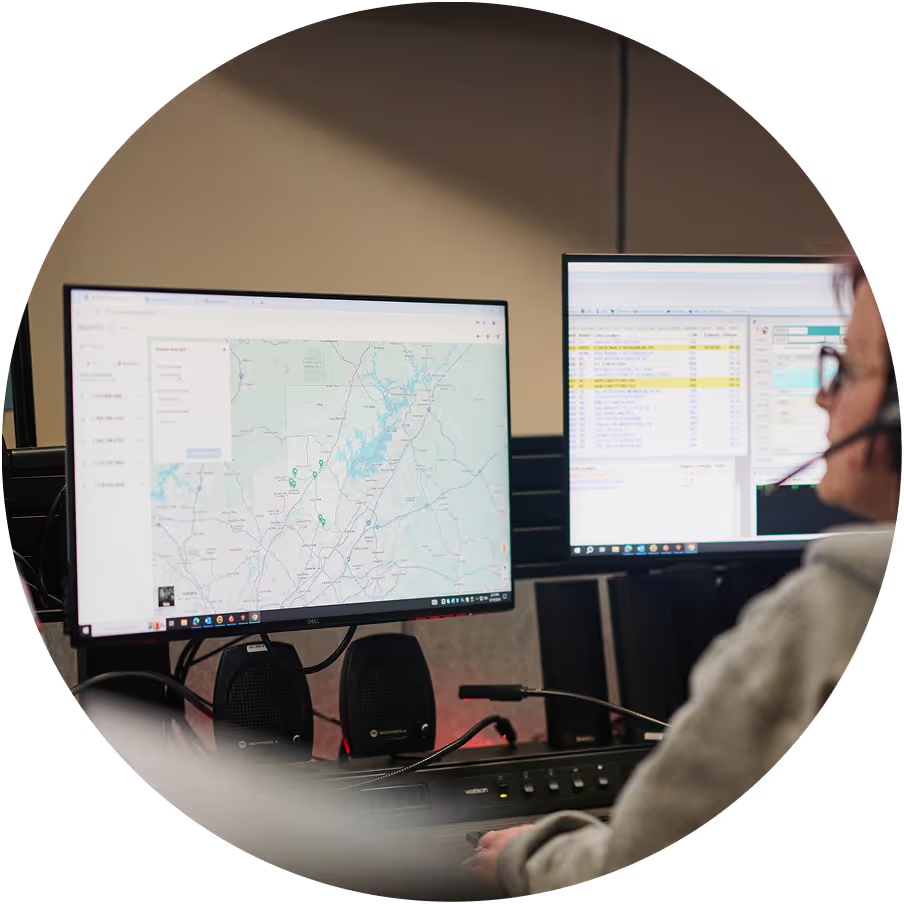
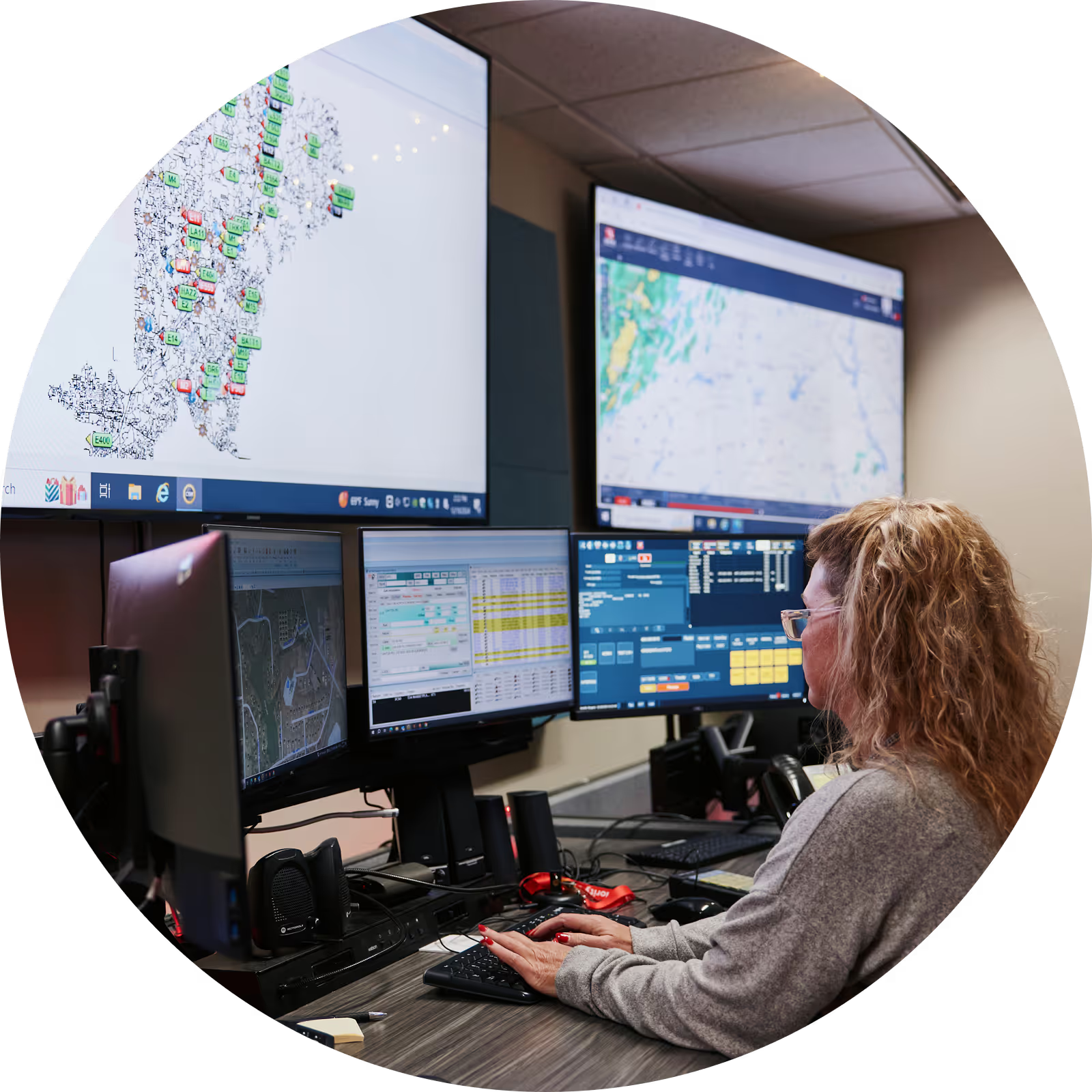
  • Integrating AEDs with 911 to enhance speed to care
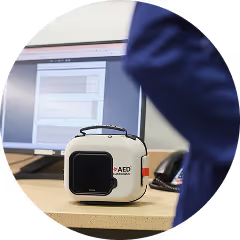
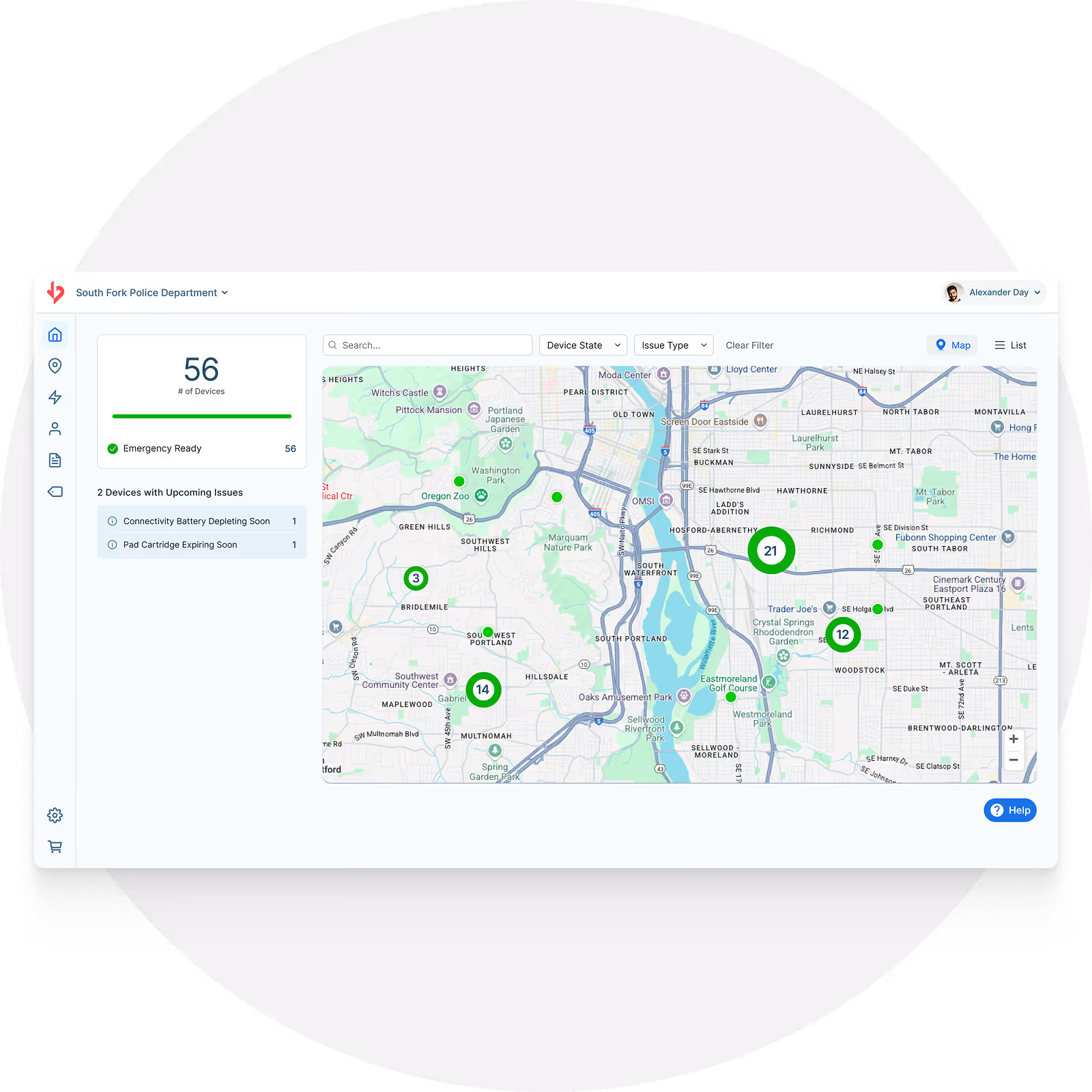
  • Fully remote AED fleet monitoring to eliminate manual AED checks
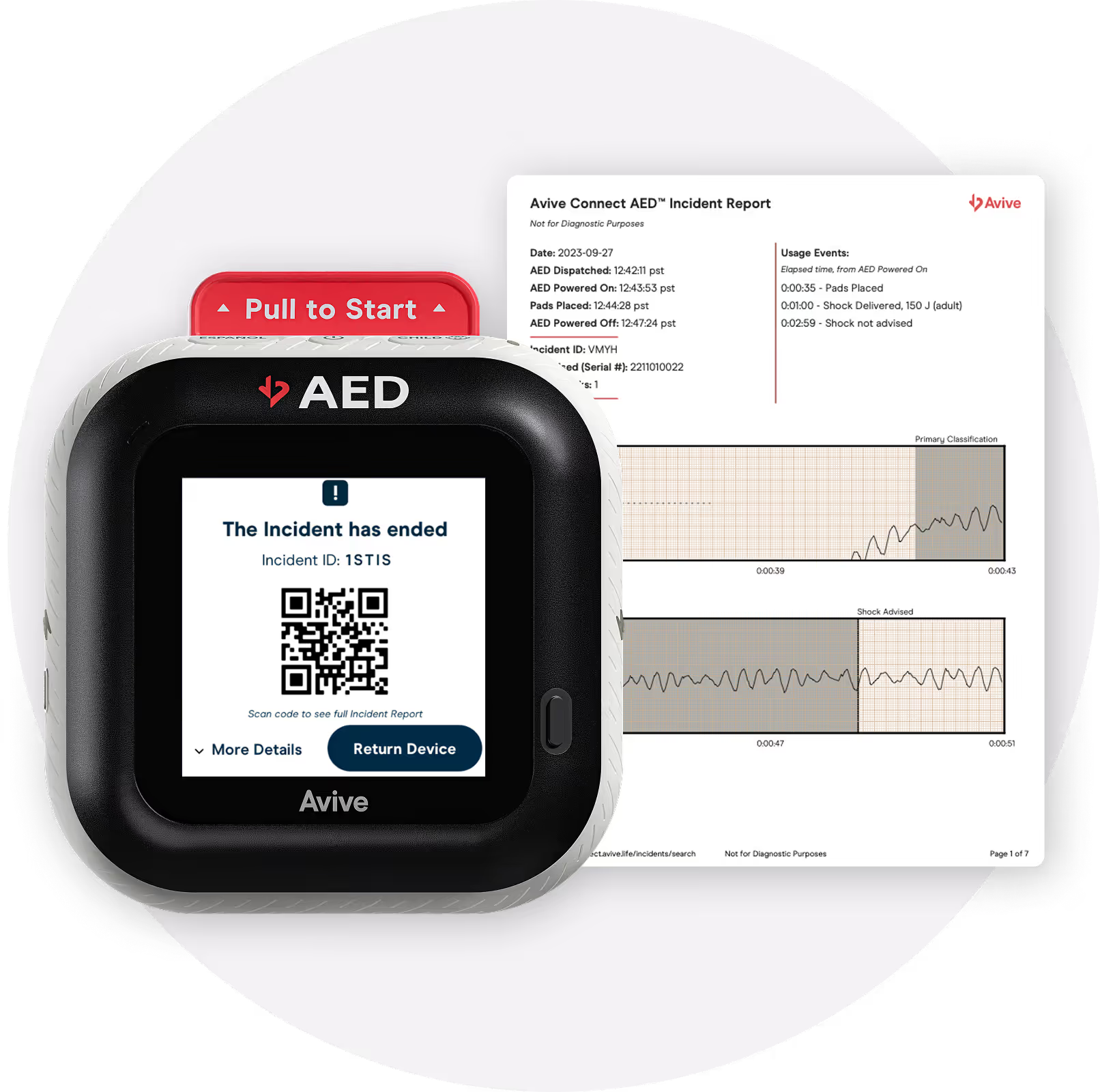
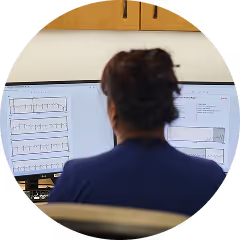
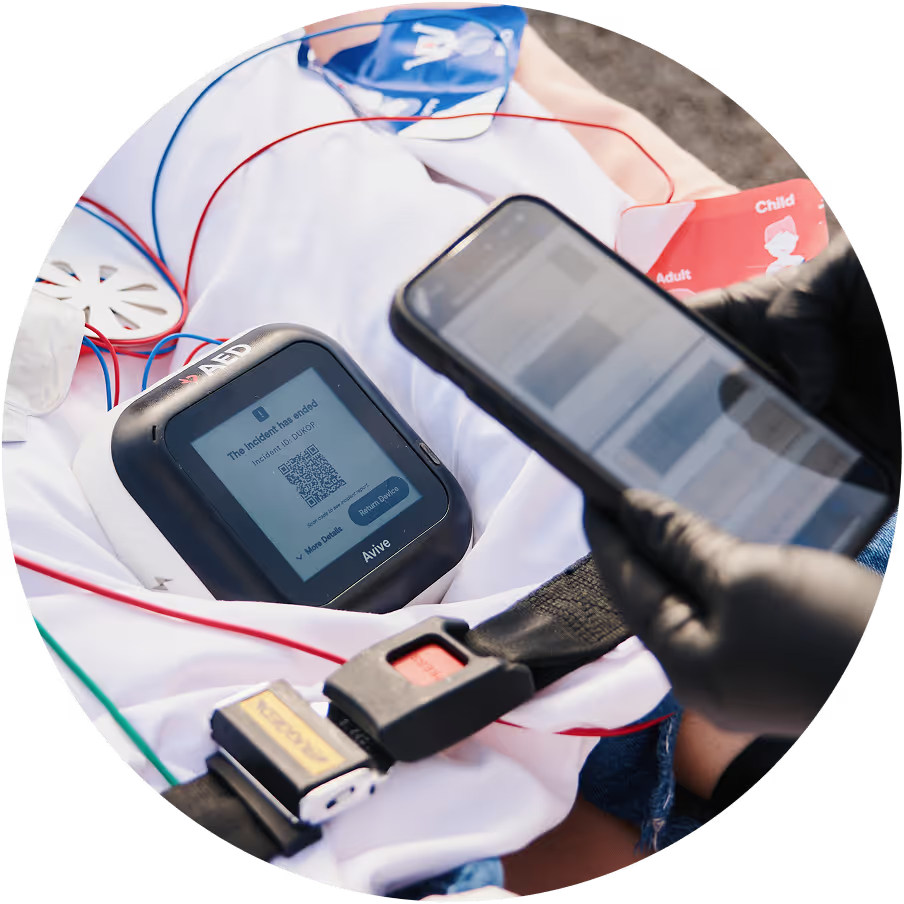
  • Seamless access to cardiac arrest data post-use to improve patient care
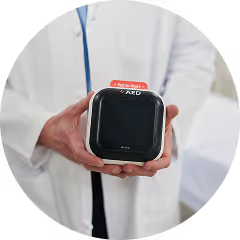
  • Rechargeable AEDs to lower total cost of ownership

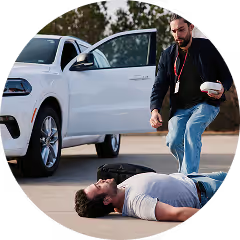
Cardiac arrest response doesn’t hinge on one agency or piece of equipment. Outcomes are shaped across a system - from the first 911 call, to first response, to hospital care.

Cardiac outcomes are shaped before help arrives.

1 in 10

Survival rates from out-of-hospital cardiac arrest remain low at 10% nationally. Despite a proven therapy.

7 minutes

EMS response times average 7 minutes despite the best efforts of first responders.1

7-10%

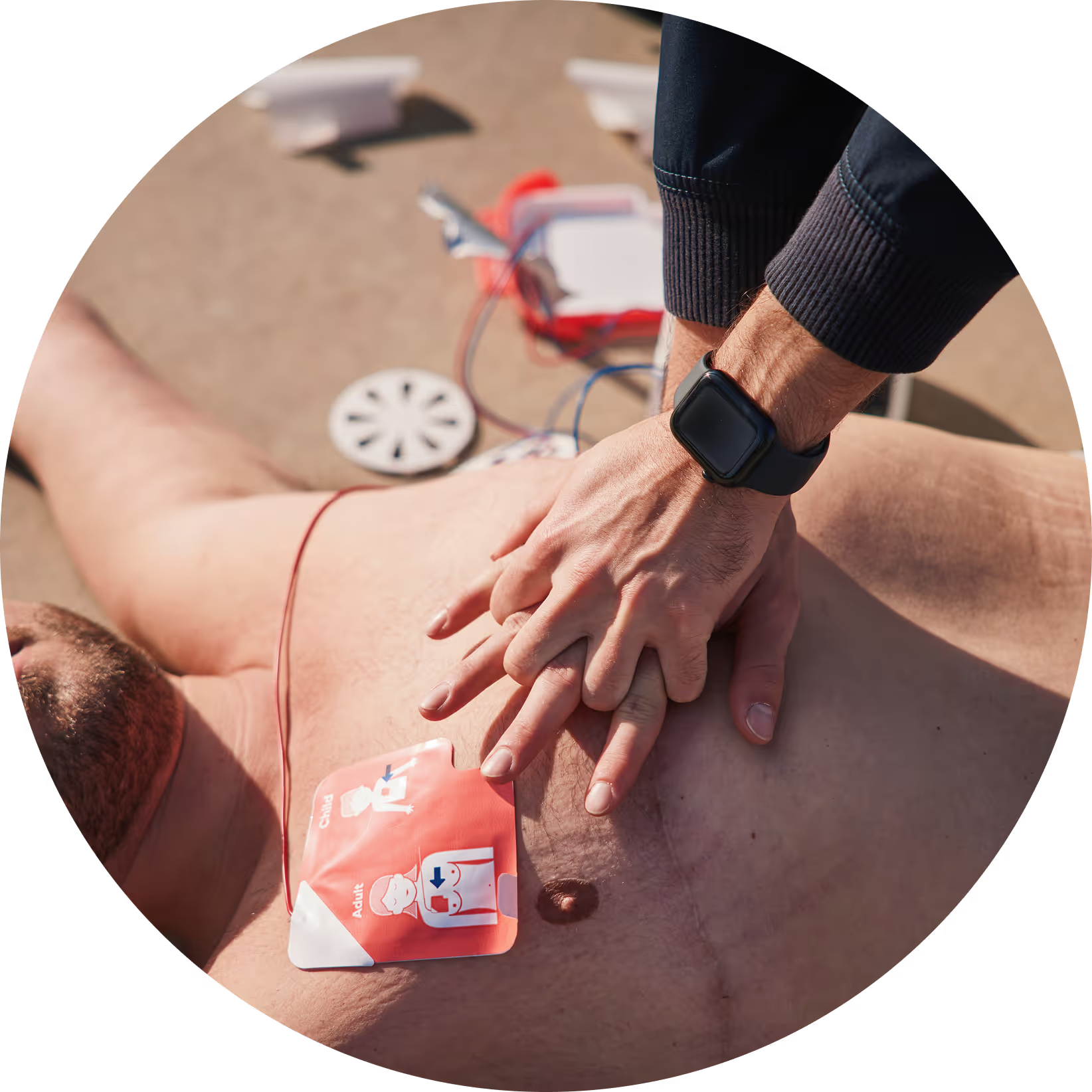
For every minute without intervention, survival rates decrease by 7-10%.

<2%

Lay rescue AED use remains at 2%, despite the proven impact of early defibrillation.2

KEY TAKEAWAY: Survival from out-of-hospital cardiac arrest remains low not because therapy doesn’t work. But because lifesaving treatment isn’t reaching patients fast enough.

Avive’s Solution

Built for public safety leadership.

Avive supports public safety leaders responsible in building, coordinating, and sustaining effective emergency response systems to save more lives from out-of-hospital cardiac arrest.

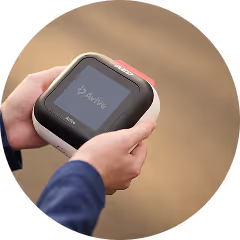
“Implementing the Avive Connect AED® into our system was amazing because it allowed us to not only know where the AEDs are but it allows us to monitor them in real-time. It allows us to dispatch the AEDs which truly makes the AED a powerful tool and an actually usable tool.”
Casey Alo
ECC Manager, Lee County
“I’ve seen a lot of technology over the years. This type of technology will change how the cardiac arrest story in the pre-hospital environment goes in the future.”
Ben Abes, Director of Public Safety
~300
Avive Connect AEDs in Lee County

Seconds determine outcomes

How Avive strengthens the system of care.

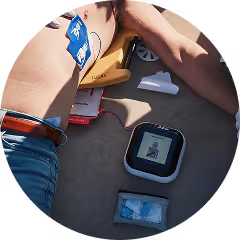
For cardiac arrest emergencies, time is the most critical variable. From enabling earlier defibrillation to accessing AED information Avive’s connected technology

Learn more about Intelligent Response™

“The Avive AED has some pretty huge benefits when we think of the common bystander that’s never seen a cardiac arrest. If the device is gonna do the steps for you and it’s gonna record that it did it, that’s a major advantage.”

Captian Clint Murphy
Chief of Fire Rescue, City of Peachtree, GA

Who this is built for.

Law enforcement

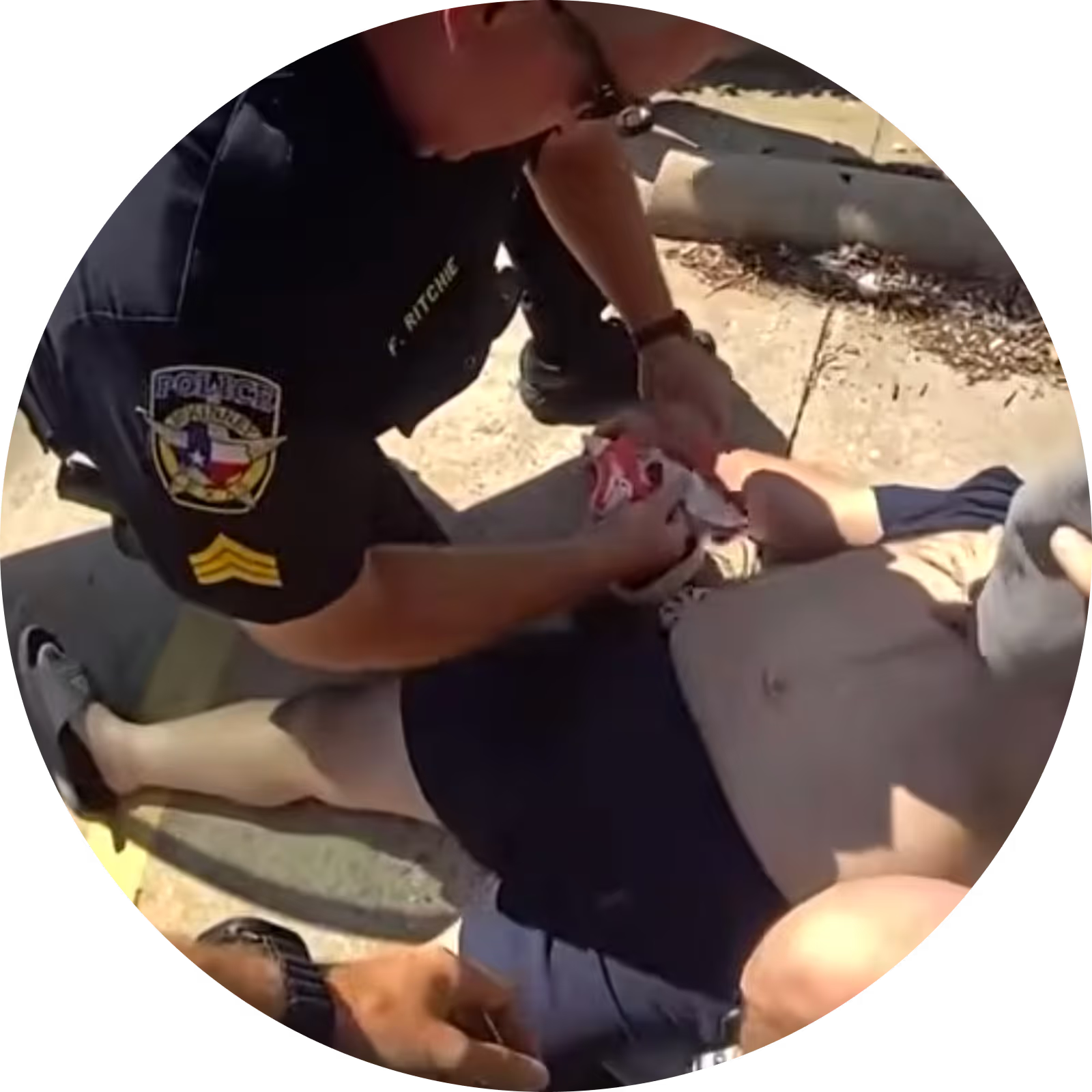
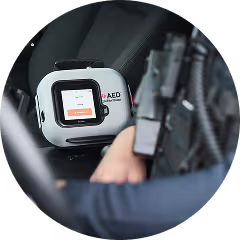
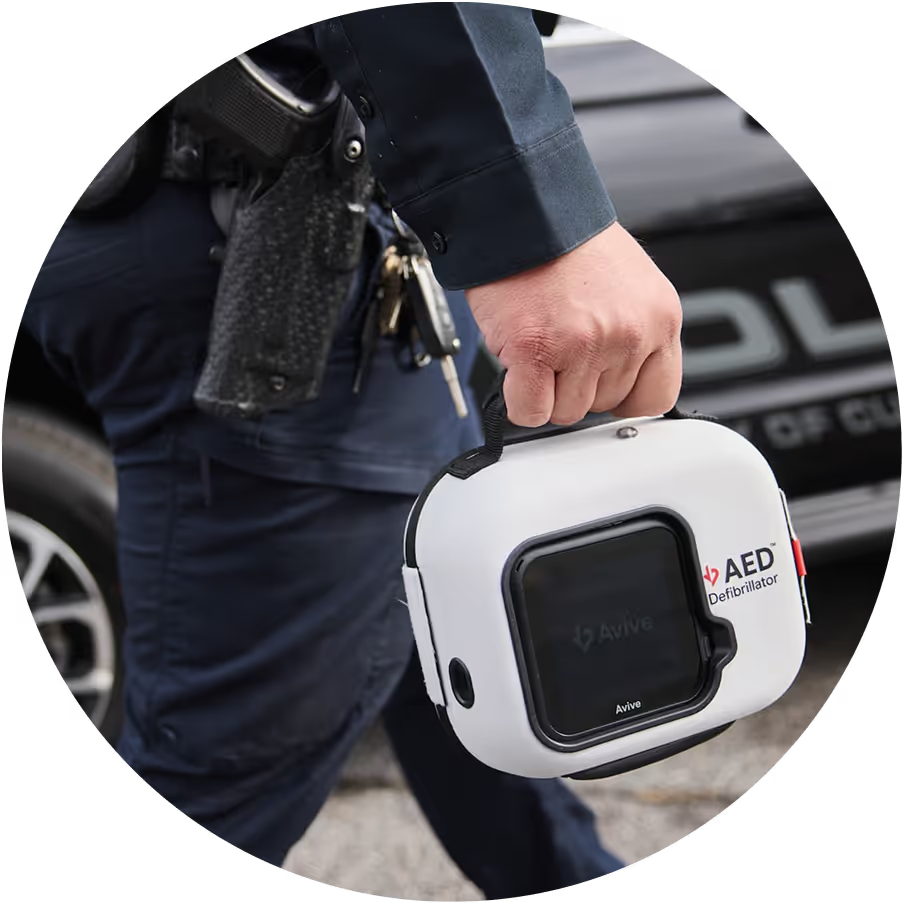
Enabling faster, smarter pre-hospital care when officers are already first on scene.

Improving time to first shock with easy to use, connected AEDs

Reinforcing confidence that 911 has visibility into AED use

Fire-rescue

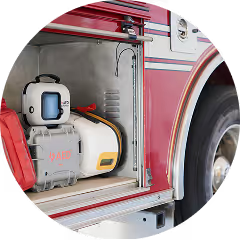
Coordinate early intervention across fire-based partner agencies and community responders

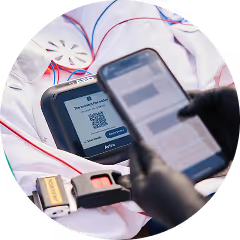
Streamline cardiac arrest data transfer from AED to hospital

Align prevention, response, and public education into one operational system

EMS

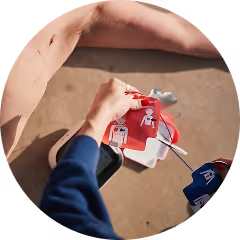
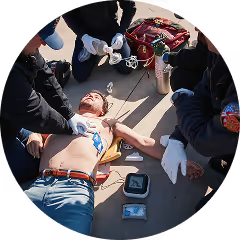
Increasing layrescuer intervention before EMS arrival

Preserving accurate event data from first alert through hospital care

Reducing informational delays that contribute to poor outcomes

Public safety leadership

Shared visibility across disciplines without changing operational roles

Confidence that community response, first response, and EMS are working together

Adefensible, outcomes-driven way to strengthen public trust

“A lot of the AEDs weren’t being maintained like they should be. We just had a hodgepodge of different AEDs in different places that no single department or person was keeping up with so it was a mess.”
Justin Strickland, City Manager
51 AEDs
in City of Peachtree City, GA
Infrastructure that connects people, technology, and care. 

Avive is not a standalone device or program. It is a system designed to support how public safety operates–across agencies and across the continuum of care. 

Talk to our public safety team

  1. https://pmc.ncbi.nlm.nih.gov/articles/PMC5831456/
  2. https://pmc.ncbi.nlm.nih.gov/articles/PMC3008654/#:~:text=Of%2013%2C769%20out%2Dof%2Dhospital,170)%20with%20AED%20shock%20delivered